Solving Inter-Floor Ceiling Leaks in Singapore: The Power of PU Injection
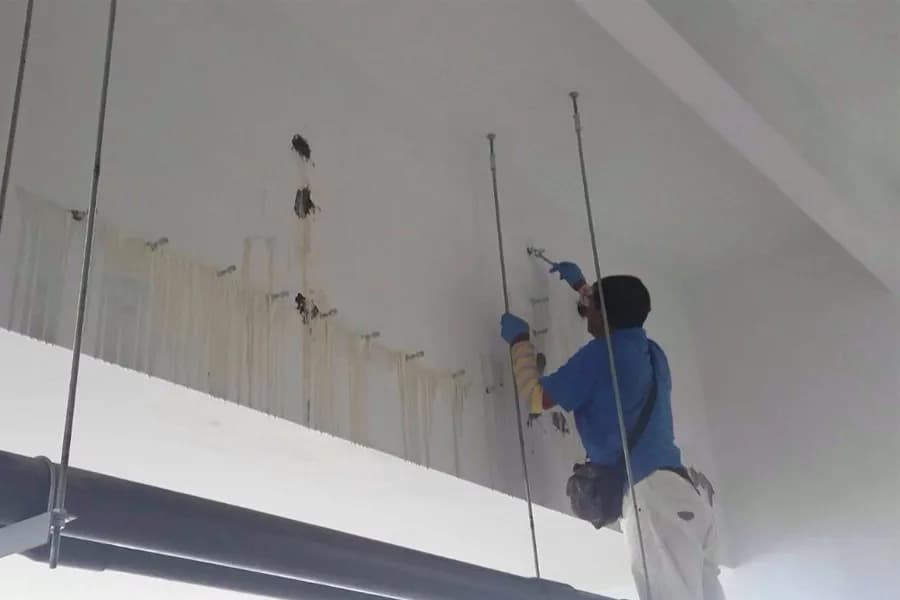
Solving Inter-Floor Ceiling Leaks in Singapore: The Power of PU Injection
Nothing ruins the comfort of your home quite like looking up and seeing a sprawling yellow water stain blooming across your ceiling. In Singapore's densely packed HDB flats and condominiums, inter-floor water leakage is one of the most common—and most frustrating—maintenance issues homeowners face.
When water from the unit above seeps through the concrete floor slab and drips into your home, it causes peeling paint, toxic mold growth, and dangerous electrical hazards. Traditionally, fixing this meant coordinating with your upstairs neighbor to completely hack up their bathroom floor, lay new waterproofing, and retile—a disruptive process taking days and costing thousands.
Today, there is a vastly superior, hacking-free alternative: High-Pressure Polyurethane (PU) Injection.
---
Understanding Inter-Floor Leakage
Concrete is a porous material. While it looks solid, it is actually full of microscopic capillaries. When a building settles over time, small structural cracks form in the concrete floor slabs.
If the waterproofing membrane in your upstairs neighbor's bathroom fails, water from their shower seeps into these cracks. Gravity pulls the water downward, where it travels through the concrete until it finds an exit point—which unfortunately happens to be your ceiling.
### The Danger of Concrete Spalling
If an inter-floor leak is ignored, the water will eventually reach the steel reinforcing bars (rebars) buried inside the concrete. Water and oxygen cause the steel to rust and expand, which forcefully pushes the concrete apart from the inside. This results in "concrete spalling," where heavy chunks of concrete break off and fall from the ceiling—a severe safety hazard that requires intensive structural repair.